Why a Cut Key Won't Start a Modern Car (and What Programming Does)
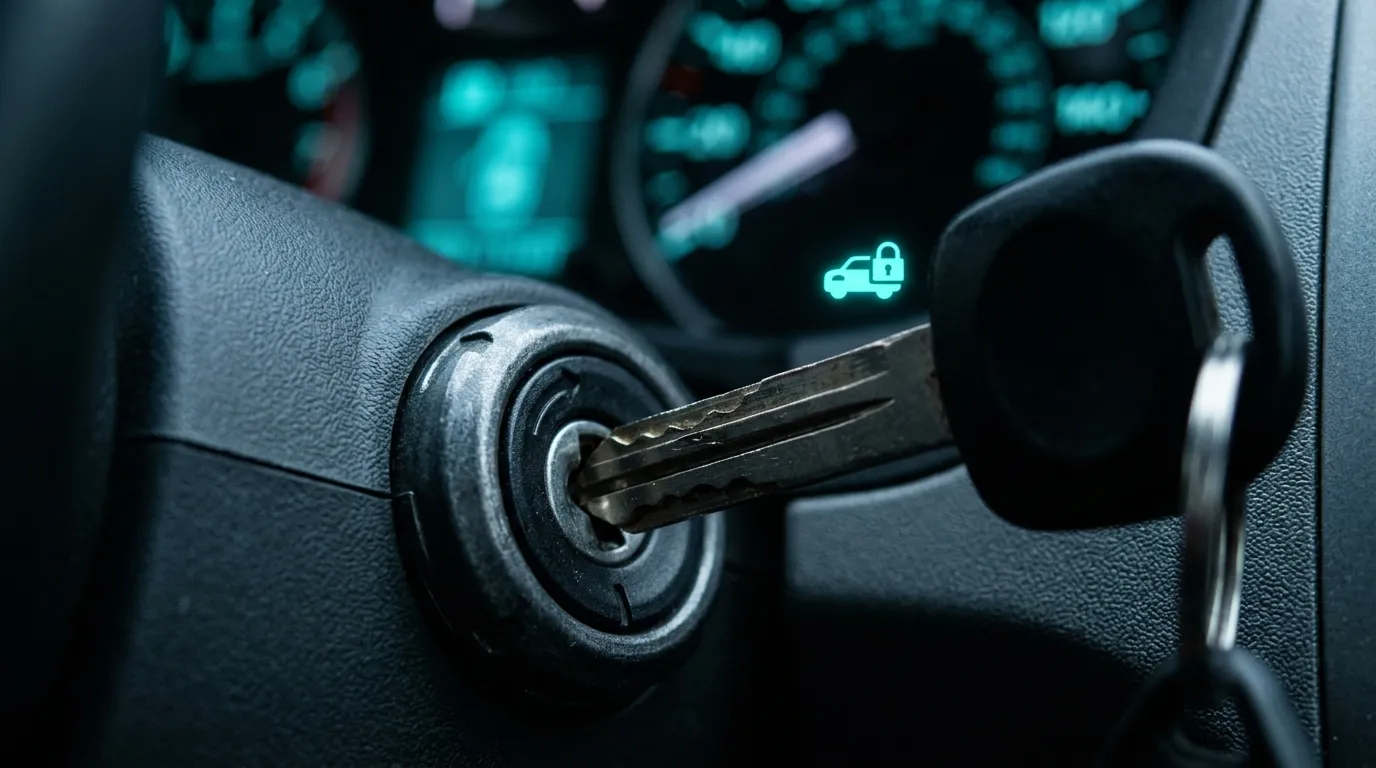
It seems like it should be simple. You get a key cut, it slides into the ignition, it even turns — and then nothing. The engine won't catch. Maybe a little light flashes on the dash. You've done everything right, so why won't the car start? The answer is one of the most misunderstood things about modern cars, and it catches out plenty of people who thought a cheap copy would do the trick.
The short version: cutting a key and programming a key are two completely different jobs. A hardware-store copy handles the first and skips the second, which is exactly why it turns but never starts. Here's what's really going on.
The immobiliser is silently in charge
Almost every car built since the late 1990s has an anti-theft system called an immobiliser. Its whole purpose is to stop the engine running unless it's satisfied the correct key is present — not just a key that fits the lock, but the right electronic key. It's the reason car theft by simply jamming a filed-down blank into the ignition has become so much harder.
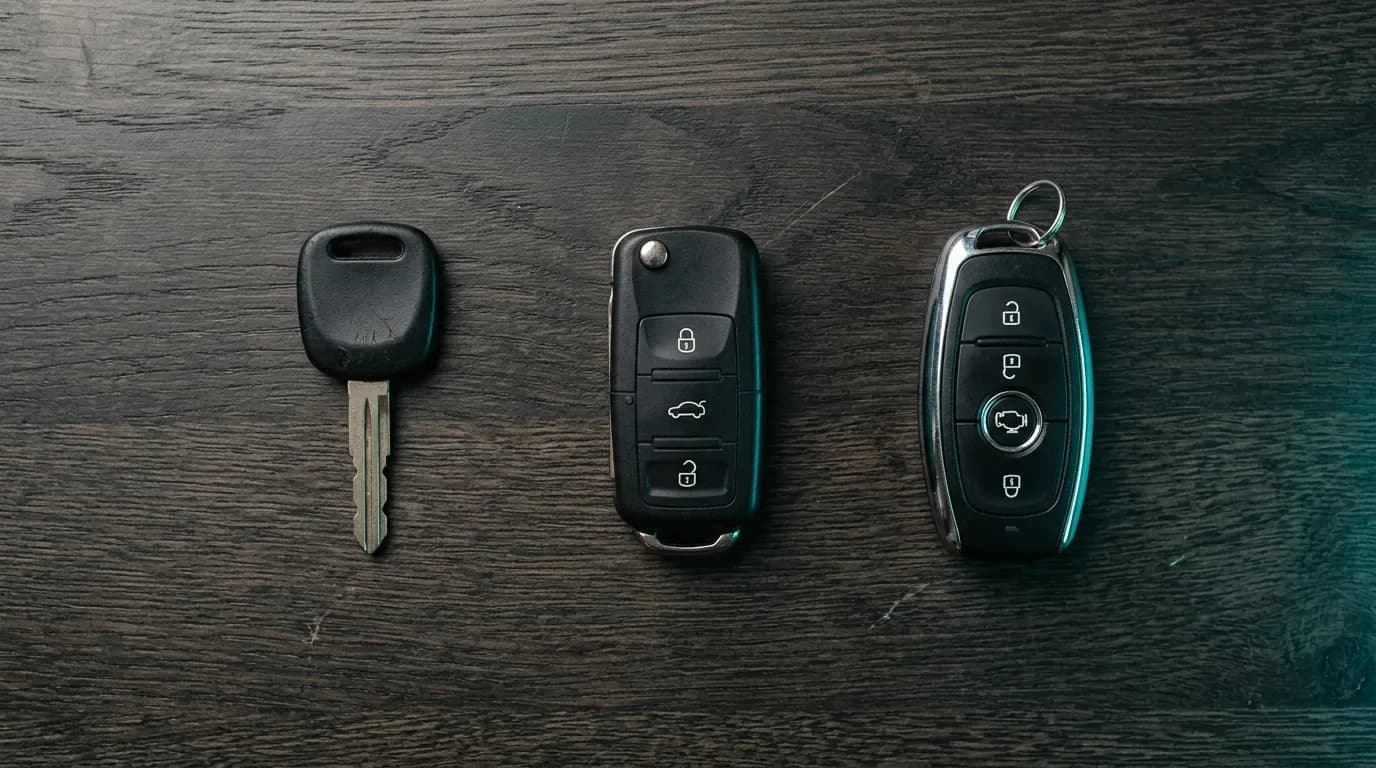
So on a modern car there are two separate checks happening. The blade has to be cut correctly to turn the barrel — that's the mechanical part. And the car has to recognise the key's electronic code — that's the immobiliser part. A hardware-store copy passes the first and fails the second.
The handshake that has to happen
Here's the moment that matters. When you turn the key, the car sends out a signal through a small antenna ring around the ignition. A tiny chip inside the key's head — the transponder — wakes up and answers with a unique code. The car checks that code against what it expects. If they match, the immobiliser stands down and lets the engine start. If they don't match, the car assumes it's being stolen and keeps the engine dead.
This all happens in a fraction of a second, every single time you start the car. A cut-only key has no chip talking to the car, or an unprogrammed chip the car doesn't recognise — so the handshake fails and the engine stays off. If you want the full picture of the different chips involved, our guide to the three key types breaks them down.
Why the hardware-store copy myth persists
The confusion is understandable. For house keys, a cut copy is the whole job. For older cars — think pre-immobiliser — it used to be true of cars as well. That memory lingers, and the key even turns in the barrel, which makes it feel like it should work. But 'turns the lock' and 'starts the engine' are two different bars to clear on any modern vehicle.
A few things people often get wrong:
- A key that turns the ignition but won't start the car is usually an unprogrammed chip, not a faulty barrel.
- A worn-down battery in a remote or smart key can stop it working even though the key is fine.
- A cheap online blank may be cut perfectly and still never start the car, because it was never programmed to your immobiliser.
- Programming is specific to your individual car — a chip coded to one vehicle won't start another of the same model.
What programming actually does
Programming is the step that teaches your car to trust a new key. Using diagnostic equipment that talks to the vehicle's computer, a locksmith writes the new key's code into the immobiliser system, so from then on the car recognises that key and completes the handshake. Only then will the engine start. Our transponder chip key service does exactly this, on-site, beside your car.
This is why a proper key replacement is never just 'cutting a key'. When we make a key through our car key replacement service, cutting the blade and programming the chip are both part of the same visit — because a key that won't start the engine isn't a key at all, it's an expensive keyring.
The takeaway
If you've got a key that turns but won't start your car, it hasn't been programmed to your immobiliser — and no amount of re-cutting will fix that. What you need is the electronic side done properly. Call Keymate with your make, model and year for a free quote, and we'll cut and program a key that actually starts your car, right where it's parked.